Ronald “Butch” DeFeo Jr. – The Amityville Murders
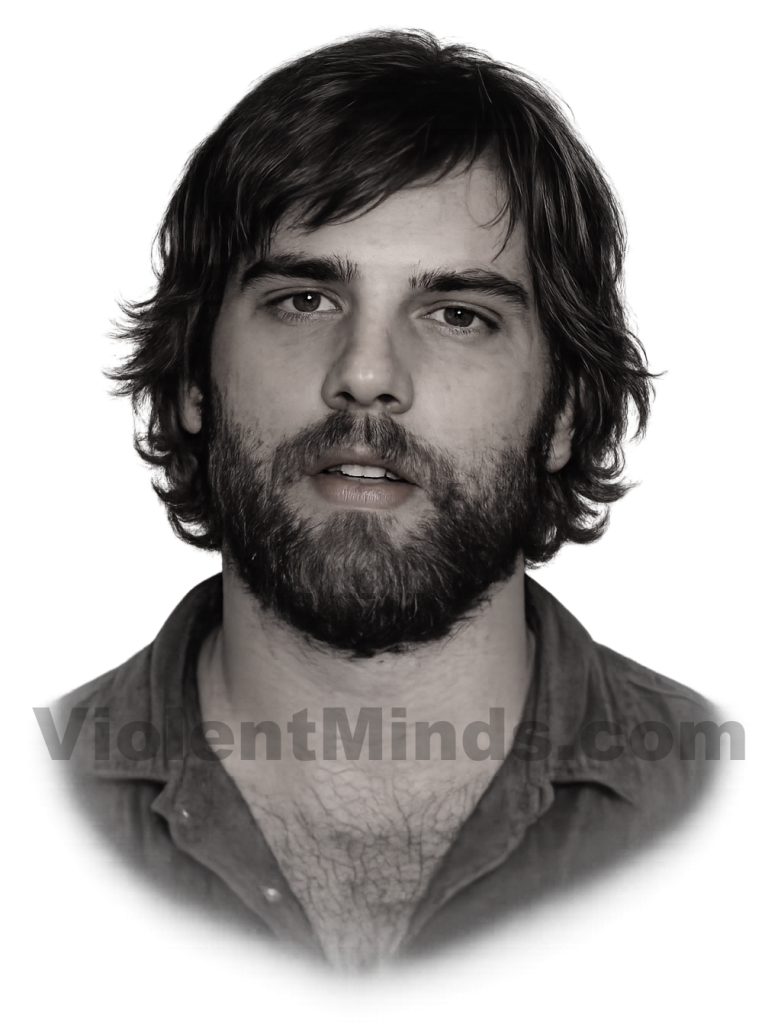
Introduction
On November 13, 1974, 23‑year‑old Ronald “Butch” DeFeo Jr. used a .35‑caliber Marlin rifle to murder his entire family – father Ronald Sr., mother Louise, sisters Dawn (18) and Allison (13), and brothers Marc (12) and John Matthew (7) – inside their home at 112 Ocean Avenue in Amityville, Long Island. All six victims were found lying face‑down in their beds, shot while they slept, in a crime that later became overshadowed by the “Amityville Horror” haunting narrative but was, at its core, a calculated intra‑family mass murder.
Early life and background
DeFeo grew up in a strict, volatile Italian‑American Catholic household where appearances and paternal authority were paramount. His father, Ronald Sr., was described as domineering and physically abusive, while his mother Louise was more passive, often trying to shield the children from his temper.
As the eldest child and first‑born son, “Butch” was expected to succeed and eventually take over the family’s auto dealership business in Brooklyn, but he struggled with school, behavior, and temper from an early age. By adolescence he was using heroin and LSD, getting into fights, and clashing frequently with his father, whom he both feared and resented.
Criminal history
Before the murders, DeFeo had a record of petty crime and antisocial behavior but no serious violent convictions. He reportedly embezzled around $20,000 from the family dealership by staging a fake robbery, then threatened to kill his father when Ronald Sr. questioned his story. He also displayed a fascination with guns and once pointed a 12‑gauge shotgun at his father during an argument, pulling the trigger on an empty chamber in what was seen as a terrifying warning.
Friends and acquaintances recalled him as a heavy drug user who often bragged, lied, and talked about wanting to get rid of his parents, though most dismissed this as drug‑fuelled venting rather than serious intent. These behaviors painted a picture of an angry, impulsive, antisocial young man with access to firearms and deep hostility toward his family.
Offense summary
In the early hours of November 13, 1974, between approximately 3:00 and 4:00 a.m., DeFeo took his .35‑caliber Marlin rifle and moved room to room through the house while his family slept. He first shot his parents in their bed, firing twice at each – Ronald Sr. and Louise were later found lying face‑down, tucked under their covers.
He then went to the boys’ room and shot 12‑year‑old Marc and 7‑year‑old John Matthew once each as they lay in their beds, followed by 13‑year‑old Allison and 18‑year‑old Dawn in their respective rooms. All victims were found face‑down; none showed obvious signs of struggle, and neighbors did not report clearly hearing gunshots, details that have fueled speculation but are consistent with rapid, close‑range rifle fire inside a closed house.
After the murders, DeFeo showered, changed clothes, discarded the rifle and some evidence in a storm drain and Amityville Creek, then went to work at the family dealership as if nothing had happened. That evening around 6:30 p.m., he ran into Henry’s Bar nearby, shouting that his parents had been shot; he led bar patrons to the house, where they discovered the bodies and called police.
At first, DeFeo claimed he had come home to find his family murdered and suggested a Mafia hit, naming a supposed mob enforcer named Louis Falini as the killer. Under questioning, inconsistencies emerged; police found the empty rifle box in his room, and within a day he broke down and confessed, saying, “Once I started, I just couldn’t stop. It went so fast.”
System failure
Several factors point to systemic and social failures before the killings:
- Normalization of violence in the home: Chronic physical and emotional abuse by Ronald Sr. created a high‑conflict environment, but there was no effective intervention from schools, clergy, or authorities; in 1970s suburban Long Island, such family dynamics were often kept private.
- Unaddressed substance abuse and mental health issues: DeFeo’s heavy heroin and LSD use, behavioral problems, and past threats with firearms did not result in sustained psychiatric treatment or removal of weapon access.
- Access to guns despite red flags: As a young man with a volatile temperament, drug use, and clear animus toward his father, he still had ready access to a high‑powered rifle purchased legitimately, reflecting lenient attitudes toward household firearms at the time.
After the murders, investigative systems performed effectively, quickly unraveling his mob‑hit story and securing a confession, but the upstream risk environment – abuse, drugs, access to guns – had not been meaningfully engaged.
Psychological profile
DeFeo’s mental state was contested at trial. The defense argued he was insane, citing claims that he heard “voices” telling him to kill and psychiatric testimony describing him as neurotic, psychotic, and suffering from dissociative disorder. DeFeo himself later told various interviewers that supernatural forces or the “evil” in the Amityville house compelled him, narratives that dovetailed with later haunting lore.
Prosecution experts countered that he had antisocial personality disorder, not psychosis, emphasizing his history of lying, theft, aggression, and lack of remorse. They argued he knew right from wrong, as evidenced by staging the scene, discarding the weapon, going to work, and concocting a mob‑hit story – clear signs of consciousness of guilt and goal‑directed behavior.
Key psychological themes include:
- Family abuse and resentment: Years of conflict with a domineering, sometimes violent father likely fostered deep, vengeful rage. Killing his parents first and with multiple shots can be read as a lethal assertion of power over a man he felt controlled and humiliated him.
- Substance abuse and disinhibition: Heavy heroin and LSD use would have impaired judgment and emotional regulation, increasing impulsivity and aggression, although evidence suggests planning (drugging dinners, selecting the time, etc.).
- Antisocial traits and self‑interest: His lack of sustained remorse, shifting stories (blaming a Mafia hitman, then implicating his sister Dawn, then claiming self‑defense or shared culpability), and earlier financial crimes all align with an antisocial, self‑centered pattern.
Over the years, DeFeo gave multiple conflicting versions of events – at times claiming Dawn killed some siblings and he killed her in a struggle, or that she alone massacred the family – none of which were supported by physical evidence. This persistent revisionism has been interpreted as further evidence of manipulativeness and refusal to accept full responsibility.
Aftermath and legacy
In November 1975, a jury convicted DeFeo on six counts of second‑degree murder; he received six consecutive sentences of 25 years to life. He remained incarcerated in New York for the rest of his life and died on March 12, 2021, at age 69, in custody after being transported from Sullivan Correctional Facility to Albany Medical Center.
The murders at 112 Ocean Avenue became the foundation for Jay Anson’s 1977 book The Amityville Horror and a long‑running horror‑film franchise, which focused on alleged hauntings experienced by later occupants. Many true‑crime historians argue that this paranormal “cottage industry” has overshadowed the real psychological and familial horror: a violent, drug‑addicted young man, shaped by abuse and entitlement, methodically killing his entire family in their beds.
DeFeo offers a pivotal, myth‑entangled family‑annihilation case where you can strip away the ghosts and examine the actual dynamics – coercive patriarchal control, resentment, substance‑fueled antisociality, and a calculated, late‑night massacre that turned an ordinary Long Island house into an enduring symbol of domestic horror.
FOR READERS FASCINATED BY CRIMINAL MINDS
From the creators of Violent Minds comes Murder.net - a psychological cyber-thriller about control, fear, and obsession, where a killer streams his murders online to paying subscribers. How far would you go to stop a monster?
Get The Book
