The Complete Story of Caleb Flynn and the Murder of Ashley Flynn
Introduction
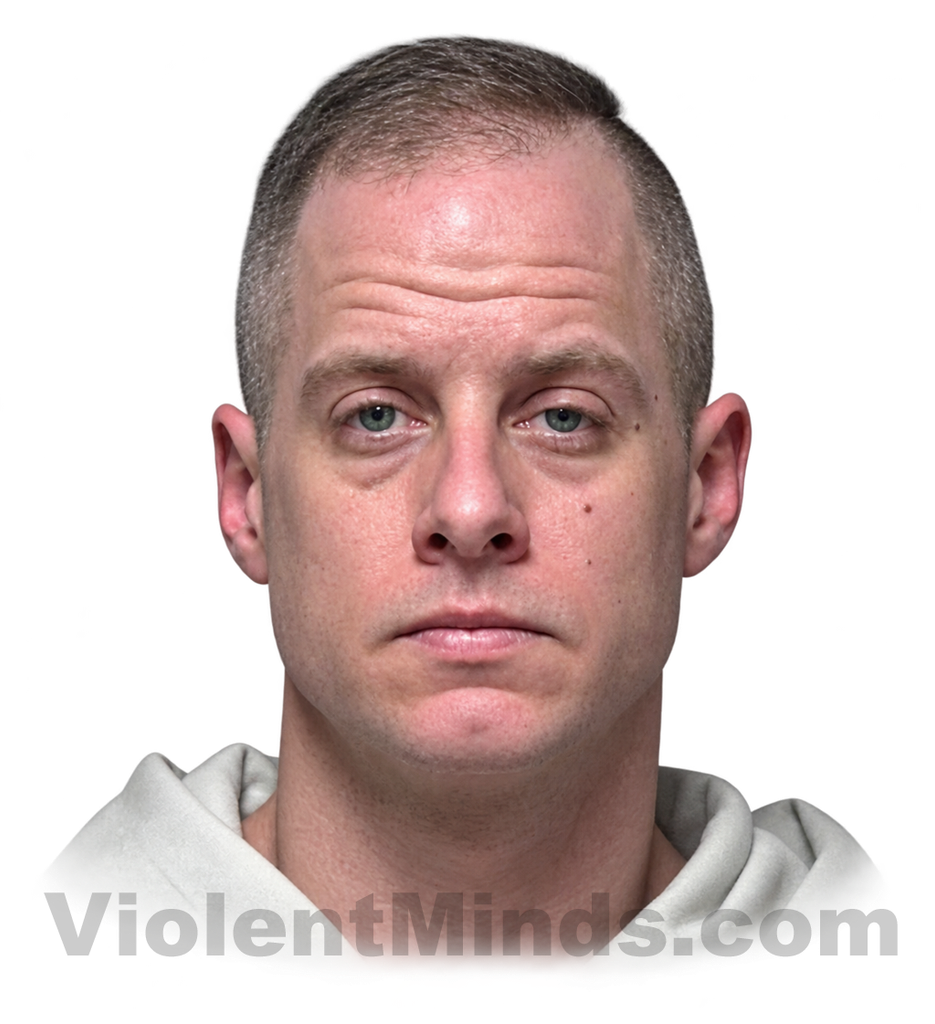
Caleb Flynn was an Ohio music pastor, father of two, and former American Idol contestant whose public life centered on faith and family. In February 2026, his wife, Ashley Flynn, was shot dead in the bedroom of their Tipp City home while their daughters were elsewhere in the house. Flynn called 911 and reported that an intruder had killed her.
Investigators concluded that the apparent burglary had been staged. Prosecutors argued that Flynn killed Ashley so that he could pursue a relationship with a younger woman from his church while avoiding the financial, personal, and reputational consequences of divorce.
On September 29, 2026, a jury found Flynn guilty of all nine charges against him, including aggravated murder and tampering with evidence. He was sentenced to life without parole on October 5, with additional consecutive prison terms. He continued to deny killing Ashley.
Background and Public Life
A Brief Appearance on “American Idol”
Flynn appeared on the 12th season of American Idol in 2013. His participation was brief rather than a sustained run as a finalist, but the footage later attracted renewed attention because of the murder case.
During his appearance, he spoke affectionately about Ashley and her support for his musical ambitions. Those comments became a striking contrast to the hostile messages about her presented years later at trial. The television appearance was biographical background, however, not evidence establishing the murder.
Music Ministry and Employment
Flynn worked in music ministry and was involved in church worship activities. He and Ashley lived in Tipp City, north of Dayton, and were raising two daughters. His adult identity combined church involvement, family responsibilities, and employment connected to Ashley’s family.
Trial testimony described a well-paid position at the family business. Prosecutors later argued that the potential loss of that employment was one reason divorce presented a problem for him.
The available public record provides much more detail about these adult circumstances than about his childhood. There is no reliable basis here for attributing the killing to an invented history of childhood trauma or an unverified developmental disorder.
Ashley Flynn and Family Life
Ashley Flynn was 37, a schoolteacher, volleyball coach, and mother of two. Her work and community relationships extended beyond her marriage. Relatives later described her devotion to her daughters and the central place of faith in her life.
The couple’s family life became part of the prosecution’s explanation of motive. Ending the marriage could affect Flynn’s finances, employment, time with his children, and standing within the church. Prosecutors argued that he wanted a different relationship without accepting those changes.
That theory concerned his alleged reasons for the crime. It should not reduce Ashley to an obstacle within his story. She was an individual with her own relationships, responsibilities, and future.
The Affair With Alleigha Botner
Meeting Through the Church
Alleigha Botner testified that she met Flynn through their church in 2022, when she was an intern. She said their relationship became sexual in May 2024 and that they discussed a future together.
Investigators recovered more than 100,000 messages exchanged during the relationship. The volume of communication and the contents of particular exchanges became central to the prosecution’s case. Botner spent two days testifying about the affair and reading messages to the jury.
Promises to Leave the Marriage
Botner said Flynn repeatedly promised to leave Ashley but continued participating in married life. An anniversary cruise became a point of conflict. According to her testimony, Ashley discovered messages during that trip and contacted her.
Botner described becoming frustrated with the lack of separation and eventually setting a deadline. She also said she told Flynn that she was moving on. Prosecutors argued that the possibility of losing the affair created additional pressure on him to act.
Botner was not charged in connection with Ashley’s death. Her testimony and communications were evidence in Flynn’s prosecution, not a finding that she shared criminal responsibility for the murder.
Messages About Killing Ashley
The messages went beyond expressions of unhappiness. In one exchange presented during the case, Flynn wrote that he had been trying to think of ways to kill Ashley without going to jail. Other messages expressed hatred and a wish that she were dead.
The defense acknowledged the affair and offensive statements but argued that they did not prove homicide. His attorney told jurors that a person could fail as a husband without being a murderer. The distinction was central to the trial: prosecutors had to connect the communications to the killing rather than rely on moral condemnation of the affair.
The Killing on February 16, 2026
The Message Before Ashley’s Death
The night before Ashley was killed, Flynn sent Botner a message stating, “I choose you. I’m free. Actions will come tomorrow.” Prosecutors highlighted the timing as evidence of planning.
Botner testified that she understood him to mean he would take steps toward divorce. The prosecution argued that the words acquired a different significance when considered alongside the earlier messages and Ashley’s death hours later.
The Shooting and Emergency Call
Early on February 16, Ashley was shot twice in the back of the head while in bed. The couple’s daughters were at home. Flynn called 911 at approximately 2:30 a.m. and reported that someone had broken into the house and shot his wife.
He told police that an intruder might have entered through a side door to the garage. Investigators examined the home to determine whether the physical evidence supported that explanation.
Investigation and Arrest
No Evidence of Forced Entry
Ohio Bureau of Criminal Investigation personnel testified that they found no evidence of forced entry at the garage door or other doors. Special Agent David Hammond said the side door lacked damage or tool marks consistent with the break-ins he had investigated.
Hammond also testified that the bedroom showed no evidence of a struggle and that Ashley had no defensive wounds. His conclusion was that the scene represented a homicide staged to appear to be a burglary.
Other investigators supported the absence of forced-entry evidence. The prosecution used those findings to challenge the intruder account, while the defense questioned whether the investigation had adequately established Flynn as the shooter.
The Missing Weapon and Digital Evidence
The murder weapon was not recovered. That absence became a major defense argument. Flynn’s attorneys said the state lacked direct evidence tying him to the shooting and was substituting a theory about an affair for proof.
Investigators also examined electronic devices and communications. Prosecutors argued that digital evidence contradicted parts of his account and that his messages supplied evidence of motive and intent. The case depended on the combined significance of those materials, testimony, and the physical scene.
Arrest Three Days Later
Flynn was arrested on February 19, three days after Ashley’s death. He pleaded not guilty. The case proceeded toward a jury trial in Miami County, Ohio.
Trial and Verdict
The Prosecution’s Case
The trial began in September 2026. Prosecutors argued that Flynn deliberately killed Ashley to pursue his relationship with Botner while preserving his finances, family position, and public reputation.
They presented testimony from investigators, the coroner’s office, and Botner, along with messages and other digital evidence. The alleged staging was important because it supplied an explanation for how Flynn intended to avoid responsibility after the shooting.
The Defense’s Response
The defense argued that the prosecution lacked crucial evidence, including the firearm, and had not proved that Flynn fired the shots. It challenged the significance of the affair and maintained that hostile messages were not equivalent to carrying out a killing.
Flynn did not testify, and the defense rested without calling witnesses. A defendant is not required to testify or present a case. The burden remained on prosecutors to establish guilt beyond a reasonable doubt.
Guilty on All Nine Charges
On September 29, 2026, the jury found Flynn guilty on all nine charges after approximately two and a half hours of deliberation. The charges included aggravated murder, three murder counts, two counts of felonious assault, and three counts of tampering with evidence.
The multiple homicide counts concerned the death of one person. They reflected different legal charges arising from Ashley’s killing, not multiple murder victims. Several counts merged for sentencing.
Sentencing and Current Status
Life Without Parole
On October 5, 2026, Judge Jeannine N. Pratt sentenced Flynn to life imprisonment without the possibility of parole. He also received nine years for evidence tampering and seven years for firearm specifications, all to be served consecutively.
The judge condemned what she described as deceit, manipulation, and cruelty. Family members addressed the court, and relatives read written statements from the couple’s daughters.
A Continuing Denial
Flynn acknowledged his infidelity and lies but continued to deny killing Ashley. His attorney announced plans to appeal. As of the sentencing, the conviction and prison terms remained in effect.
His denial should not be described as a confession, and his intention to appeal is not evidence of a psychological disorder. Both are part of the procedural and public record following the verdict.
Psychological Profile: Compartmentalization, Entitlement, and Escape
A useful interpretation of Flynn’s documented behavior is compartmentalization: maintaining incompatible commitments while preventing the people involved from seeing the full picture. He continued in married and family life while promising a future to Botner and concealing the affair. This describes a behavioral pattern, not a split personality or a clinical diagnosis.
The prosecution’s account also supports examining entitlement and avoidance of loss. Its theory was not simply that Flynn wanted another partner, but that he wanted a new relationship without accepting divorce’s potential effects on employment, finances, reputation, and family arrangements. The distinction helps explain the alleged motive without suggesting that an affair or marital dissatisfaction ordinarily leads to murder.
His messages repeatedly framed Ashley as someone he wanted removed from his life. That language can be interpreted as moral distancing: reducing an individual to an obstacle makes her needs and suffering easier to disregard. In this case, the interpretation rests on explicit discussions of killing as well as the later conviction—not on insults alone.
The staged-burglary explanation served a further purpose. It cast Flynn as a grieving husband harmed by an outsider rather than as the person responsible. Viewed alongside the prosecution’s motive theory, the story offered a way to obtain Ashley’s absence while retaining sympathy and avoiding accountability.
The evidence does not establish psychopathy, narcissistic personality disorder, or another psychiatric diagnosis. Nor can tears, religious language, or courtroom demeanor reliably disclose a person’s inner state. The strongest formulation remains focused on the documented conduct: sustained deception, explicit hostile fantasies, a desired escape from consequences, and an account of the scene that the jury rejected.
Victim Impact and Public Attention
The Celebrity Connection
Flynn’s brief appearance on American Idol gave the case a recognizable national headline. It should not overshadow his more immediate identity as a husband and father or Ashley’s work and community life.
His church role also attracted attention because of the contrast between public values and private conduct. That contrast is relevant to the story, but neither a television appearance nor religious participation explains the crime.
The Loss to Ashley’s Family
Ashley’s daughters lost their mother and then faced the prosecution and imprisonment of their father. Her relatives described the devastating consequences of the killing and the pain of hearing intimate family matters presented in court.
Remembering Ashley as a teacher, coach, mother, and individual keeps the case from becoming only a story about an affair or a former television contestant. The criminal proceedings established responsibility and punishment; they could not reverse her family’s loss.
Conclusion
Caleb Flynn was convicted of murdering Ashley Flynn at their Tipp City home on February 16, 2026. Prosecutors argued that he wanted to pursue an affair without accepting the consequences of divorce and staged a burglary to conceal his involvement.
After hearing the competing cases, a jury convicted him on all nine charges. He received life without parole and additional consecutive prison terms on October 5, 2026. He continued to deny the killing, and his attorney indicated that an appeal was planned.
The case concerns one homicide victim and belongs in a convicted-murderer or domestic-homicide category, not a serial-killer category. Its significance lies in Ashley’s death, the evidence evaluated at trial, and the contrast between Flynn’s maintained public life and the conduct established in court.
The Pastor’s Secret: The Murder Case Against Caleb Flynn | Case by Case | “48 Hours” Podcast
FOR READERS FASCINATED BY CRIMINAL MINDS
From the creators of Violent Minds comes Murder.net - a psychological cyber-thriller about control, fear, and obsession, where a killer streams his murders online to paying subscribers. How far would you go to stop a monster?
Get The Book
