Understanding Why Humans Harm One Another
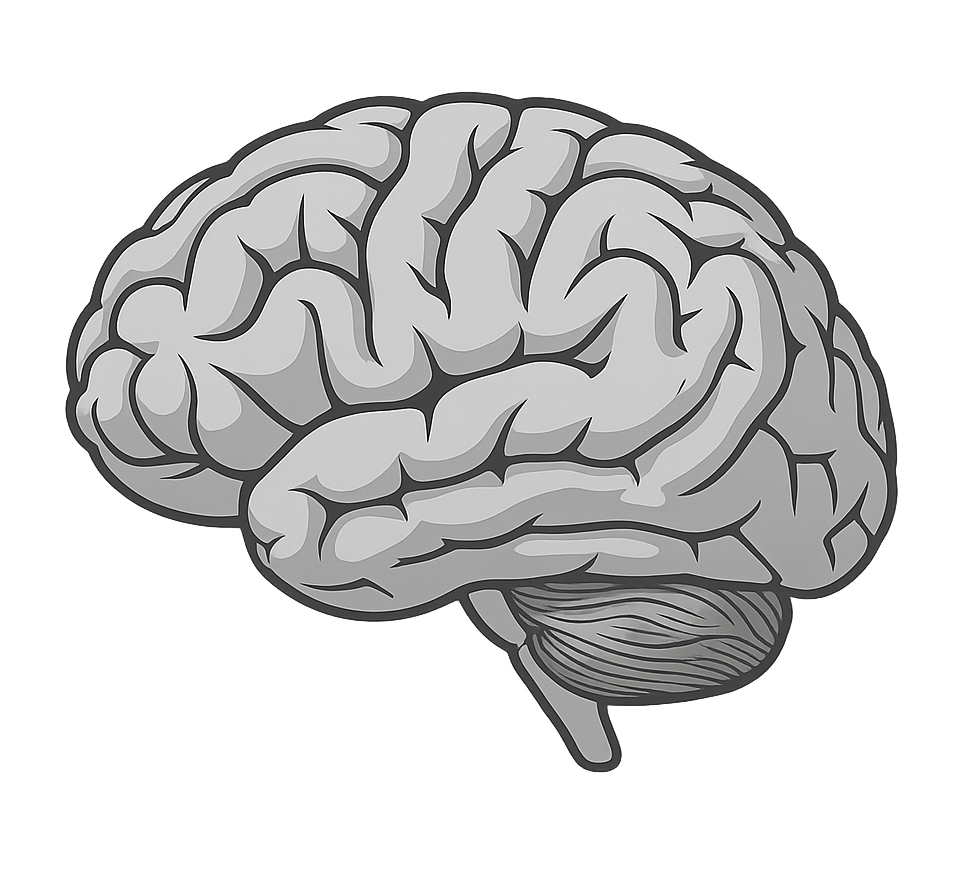
Violence is one of humanity’s oldest and most troubling behaviors. From impulsive acts of rage to calculated crimes of domination, violent behavior emerges through a complex web of biological, psychological, and social influences. The study of the psychology of violence seeks to understand what drives individuals to harm others – and why, for some, aggression becomes a defining feature of identity.
1. Defining Violence
Psychologists define violence as intentional behavior meant to inflict harm – physical, psychological, or emotional – on another person or group. Not all aggression is violent, but all violence stems from aggression taken to an extreme.
Researchers typically distinguish between two main types:
| Type of Violence | Description | Example |
|---|---|---|
| Reactive (Affective) Violence | Impulsive and emotional, often triggered by provocation or perceived threat. | A person striking out during a heated argument. |
| Instrumental (Predatory) Violence | Planned and goal-oriented, used as a tool to achieve something. | A serial killer targeting victims to satisfy control or fantasy. |
Both types share biological roots but differ in motivation and cognitive control.
2. Biological Foundations of Violence
Violent behavior often reflects dysfunction in brain systems that regulate emotion, impulse control, and empathy.
- Frontal Lobe Dysfunction: Damage or under-activation in this area impairs decision-making and impulse inhibition. Many violent offenders show irregularities here.
- Amygdala Overactivity: The amygdala controls fear and aggression responses. Overstimulation may heighten anger or threat perception.
- Neurochemical Imbalances: Low serotonin and high dopamine levels have been linked to aggression and poor emotional regulation.
- Genetic Predisposition: Certain gene variants (such as MAOA-L, sometimes called the “warrior gene”) may interact with childhood adversity to increase aggression risk.
Related reading: Frontal Lobe Dysfunction and Intelligence Quotient
3. Psychological and Developmental Factors
Beyond biology, personality and life experiences shape how aggression develops.
- Childhood Trauma and Abuse: Neglect, humiliation, or exposure to violence can desensitize children and normalize aggression.
- Attachment Disruption: Lack of secure emotional bonds in early life can hinder empathy and moral development.
- Cognitive Distortions: Violent individuals often rationalize cruelty or blame victims to maintain self-image.
- Personality Disorders: Antisocial and narcissistic traits correlate strongly with chronic violence. These individuals often display shallow emotions and an absence of guilt.
Related reading: Childhood Trauma and Abuse and Psychopathy vs. Sociopathy
4. Social and Environmental Influences
No one becomes violent in isolation. The environment can either reinforce or restrain aggression.
- Social Learning: People learn through observation. When violence is rewarded or admired, it becomes normalized.
- Cultural and Media Influence: Violent imagery and sensationalized crime may desensitize or even glamorize aggression.
- Economic and Environmental Stress: Poverty, instability, and social exclusion can elevate frustration and impulsive aggression.
- Peer Reinforcement: Group dynamics — gangs, extremist movements, or cults — can validate violent identity and suppress guilt.
5. The Dark Triad and the Path to Violence
The Dark Triad — psychopathy, narcissism, and Machiavellianism — provides a psychological framework for understanding cold, manipulative, and remorseless behavior.
Individuals high in these traits often commit instrumental violence for power, revenge, or personal gain.
| Trait | Core Characteristics | Violence Connection |
|---|---|---|
| Psychopathy | Callousness, lack of empathy, thrill-seeking | Emotionless, planned violence |
| Narcissism | Inflated self-importance, entitlement | Reactive violence when ego is threatened |
| Machiavellianism | Cunning manipulation, emotional detachment | Strategic violence for control or gain |
Related reading: The Dark Triad
6. Moral Disengagement and the “Evil” Debate
Violent individuals frequently engage in moral disengagement — a psychological process that allows them to commit harm without self-condemnation.
They may dehumanize victims, blame society, or frame violence as justified.
This leads to an enduring philosophical question: Is evil real, or is it the product of a damaged mind?
Science tends to frame evil not as a supernatural force, but as a human capacity amplified by empathy failure and self-serving logic.
Further reading: Is Evil Real?
7. Preventing Violence Through Understanding
Understanding the psychology of violence isn’t about excusing it – it’s about prevention.
By identifying early signs – impulsivity, cruelty to animals, chronic lying, lack of empathy – professionals can intervene before harm escalates.
Education, therapy, and social support reduce risk factors, while societal awareness helps break cycles of abuse and retaliation.
Closing Reflection
Violence is rarely random. It is the visible expression of unseen forces – biology, trauma, personality, and environment – colliding within the human mind. To study violence is to confront the darkest corners of human nature, yet it also offers a chance to illuminate how understanding and empathy might prevent it.
In exploring the psychology of violence, we uncover not only why people kill – but also what it means to be human.
FOR READERS FASCINATED BY CRIMINAL MINDS
From the creators of Violent Minds comes Murder.net - a psychological cyber-thriller about control, fear, and obsession, where a killer streams his murders online to paying subscribers. How far would you go to stop a monster?
Get The Book
