Albert DeSalvo – “The Boston Strangler”
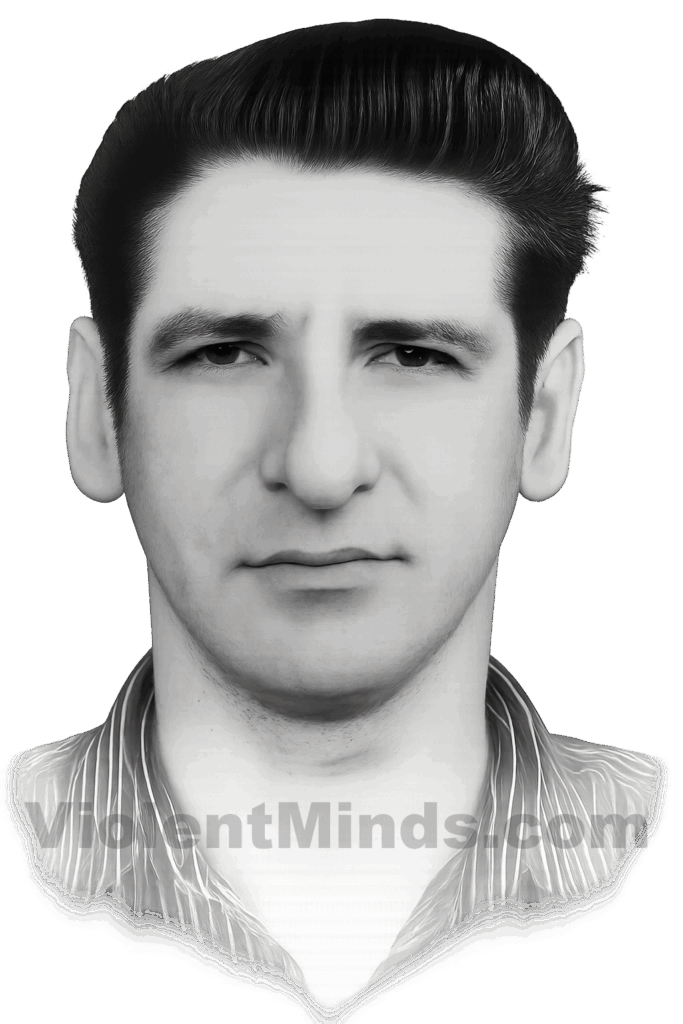
Introduction
Albert DeSalvo, known as “The Boston Strangler,” was a convicted criminal who confessed to murdering 13 women in the Boston area between 1962 and 1964, but was only convicted of unrelated sexual assaults and was never formally charged for the murders themselves. His case remains controversial due to conflicting evidence and questions about his true culpability.
Early Life and Background
DeSalvo was born on September 3, 1931, in Chelsea, Massachusetts, to a family marked by extreme violence and dysfunction. His father was an alcoholic who physically abused his wife and children and exhibited sexually deviant behavior in front of his children. This traumatic upbringing is considered significant in shaping his later criminal tendencies, with experts suggesting that such early exposure to violence and poor role models can play a central role in the development of sociopathy or psychopathy.
The Boston Strangler Crimes
The “Boston Strangler” murders began in June 1962 and continued until January 1964, claiming the lives of at least 11, but possibly as many as 13, female victims aged 19 to 85. The victims were sexually assaulted and strangled, usually with a piece of their own clothing tied in a distinctive bow. DeSalvo was eventually charged for a series of rapes, where his modus operandi involved using ruses to gain entry into women’s homes, echoing the measuring man persona he had previously adopted for sexual assaults.
Confession and Conviction
DeSalvo confessed to fellow inmate George Nassar, who reported the confession to attorney F. Lee Bailey. DeSalvo’s detailed descriptions of crime scenes, including private details not released to the public, convinced many investigators of his guilt. Despite this, skepticism persisted: his confessions sometimes lacked accuracy; DNA evidence only linked him directly to one murder; and some survivors didn’t believe their attacker was DeSalvo.
DeSalvo was convicted in 1967 of unrelated sexual offenses and sentenced to life in prison, but he was never charged with the murders. He died violently, stabbed to death by an unknown assailant in 1973 at Walpole State Prison.
Boston Strangler Victims List
- Anna Elza Slesers, 55 — June 14, 1962 — 77 Gainsborough Street, Boston
- Mary Mullen, 85 — June 28, 1962 — 1435 Commonwealth Avenue, Boston
- Nina Nioma Nichols, 68 — June 30, 1962 — 1940 Commonwealth Avenue, Boston
- Helen Elizabeth Blake, 65 — June 30, 1962 — 73 Newhall Street, Lynn
- Edes “Ida” Irga, 75 — August 19, 1962 — 7 Grove Street, Boston
- Jane Sullivan, 67 — August 21, 1962 — 435 Columbia Road, Boston
- Sophie L. Clark, 20 — December 5, 1962 — 315 Huntington Avenue, Boston
- Patricia Jane Bissette, 23 — December 31, 1962 — 515 Park Drive, Boston
- Mary Ann Brown, 69 — March 6, 1963 — 319 Park Street, Lawrence
- Beverly Florence Samans, 23 — May 8, 1963 — 4 University Road, Cambridge
- Marie Evelina “Evelyn” Corbin, 57 — September 8, 1963 — 224 Lafayette Street, Salem
- Joann Marie Graff, 23 — November 23, 1963 — 54 Essex Street, Lawrence
- Mary Anne Sullivan, 19 — January 4, 1964 — 44-A Charles Street, Boston
These murders spanned various neighborhoods and afflicted victims from a broad age range, fueling the public’s fear and confusion about the perpetrator’s motives.
Psychological Profile
Several psychological assessments were performed during DeSalvo’s lifetime:
- He was diagnosed with a “sociopathic personality,” indicating chronic disregard for others’ rights, impulsivity, and lack of remorse.
- Dr. James Brussel, a psychiatrist, later testified that DeSalvo suffered from “schizophrenia of the paranoid type,” suggesting a split with reality marked by intense mental torment and a divided sense of self.
- Psychological experts later questioned the accuracy of his schizophrenia diagnosis, noting that his ability to plan, lie, and gain the trust of victims pointed towards sociopathy or psychopathy rather than schizophrenia.
- DeSalvo displayed sexual compulsions and extreme drives described as “crushing” by his legal defense, with behavior involving elaborate deception, manipulation, and violence.
- His intelligence was assessed as below average (IQ 96-97), yet he demonstrated cunning and adaptability.
Experts believe the combination of his abusive upbringing, potential inherited psychopathic traits, and extreme sexual frustrations drove him toward predatory and lethal behaviors. Psychopaths of his type are said to lack empathy and fear, with profound deficits in emotional reasoning and learning from consequences.
Notable Controversy
DeSalvo’s guilt continues to be debated, as DNA evidence definitively links him only to the murder of Mary Sullivan but not the other victims. Some experts and investigators posit multiple killers were involved.
Conclusion
Albert DeSalvo’s case represents one of the most notorious and debated chapters in American criminal history. His life exemplifies the profound impact of childhood abuse, dysfunctional family structures, and severe psychological disturbance. While he confessed to the “Boston Strangler” murders and was linked by forensic evidence to at least one, lingering doubts and the absence of formal charges for the murders leave his legacy surrounded in uncertainty and debate.
FOR READERS FASCINATED BY CRIMINAL MINDS
From the creators of Violent Minds comes Murder.net - a psychological cyber-thriller about control, fear, and obsession, where a killer streams his murders online to paying subscribers. How far would you go to stop a monster?
Get The Book
