Rafael Resendez-Ramirez: The Railway Killer
Introduction
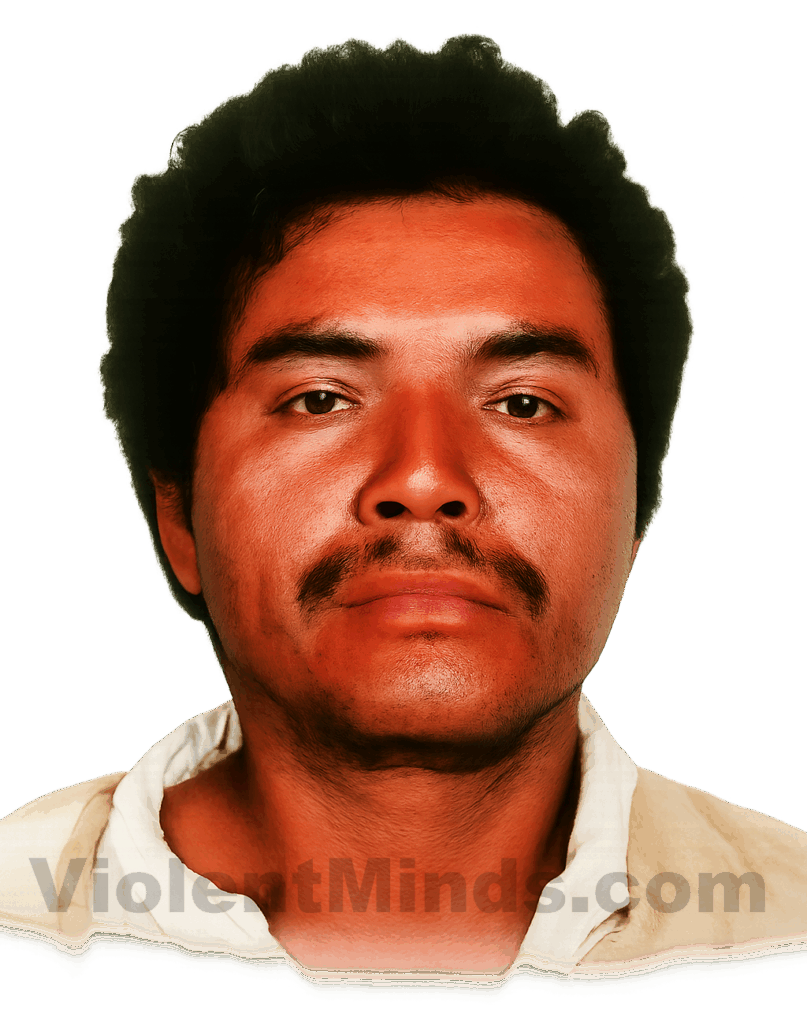
From the late 1980s through the summer of 1999 a rail-riding drifter – known on wanted posters as Rafael Reséndiz-Ramírez but born Ángel Maturino Reséndiz – slipped across the Rio Grande, jumped freight trains, and murdered at random near the tracks of at least six states. He crushed skulls with rocks and pickaxes, raped, ransacked homes for souvenirs, and then vanished along the rails before police could even name a suspect. By the time he surrendered on the U.S.-Mexico border in July 1999 he had confessed to nine killings and was suspected in more than twenty. His story became a landmark case in American law-enforcement history, exposing gaps in border control, inter-agency communication, and the early biometric system called IDENT. It also illustrated how a mobile predator can exploit geographic vastness, bureaucratic silos, and public trust to extend a reign of terror.
Early Life and Criminal Drift
Reséndiz was born in central Mexico in 1959. His childhood was marked by poverty, sporadic schooling, and early petty crime. At sixteen he hopped his first northbound train; by twenty he was a regular coyote guiding migrants across the border, often stealing from them along the way. Over two decades he compiled more than thirty arrests in the United States – burglary, weapons possession, false documents – yet he always slipped through the cracks, deported only to re-enter days later.
Modus Operandi
His method was chillingly consistent:
- Mobility by rail – He rode freight cars undetected, getting off near small depots or rural sidings.
- Surprise entry – He selected houses within sight of the tracks, slipped inside at night, and used whatever blunt object he found: a slab of concrete, a shotgun stock, a pickaxe, even a fire poker.
- Intimate violence – Victims were beaten or stabbed, often raped if female, and sometimes posed post-mortem.
- Psychological trophies – He lingered to eat, bathe, or lay out driver’s licenses, as if studying his prey. Stolen jewelry he mailed to his mother or wife in Mexico as “gifts blessed by God.”
- Exit by rail – Within hours he was on another freight, gone across state lines before dawn.
Because he left no fingerprints on file under his true identity and used dozens of aliases, local detectives treated each murder as an isolated horror. Only when Texas investigators noticed the railway signature did a pattern emerge.
Escalation of Terror (1997-1999)
The confirmed spree began in August 1997 with the rape and bludgeoning of a University of Kentucky couple along Lexington tracks; the woman survived, providing the lone eyewitness description. Over the next two years he struck Texas, Illinois, and Kentucky again, killing physicians, pastors, grandparents, and commuters – all homes situated a stone’s throw from a passing train. Each scene bore hallmarks of overkill: skulls shattered, multiple stab wounds, and evidence that he had paused to eat or pray.
Manhunt and the FBI’s Ten Most Wanted List
After the December 1998 murder of Houston pediatric neurologist Dr. Claudia Benton, Harris County detectives matched fingerprints on her Jeep to a recent INS deportee listed as Rafael Reséndiz-Ramírez. Ballistics soon tied him to earlier Texas murders. On June 21 1999 the FBI elevated him to Fugitive #457 on its Ten Most Wanted list, reasoning that only a nationwide media surge could penetrate the rail-yard subculture and flush him out.
Wanted posters – with eleven known aliases and sketches of his ever-changing beard, glasses, and hair – blanketed truck stops, grain elevators, border crossings, and migrant shelters. The media dubbed him “The Railway Killer,” broadcasting his face from Kentucky to California. Tips poured in, but Reséndiz stayed in motion, murdering four more people in June alone while sleeping under trestles and hopping boxcars.
The IDENT Failure
In an astonishing blunder, Border Patrol agents in New Mexico actually arrested Reséndiz on June 1 1999 – three weeks before he made the Top-Ten list – during one of his routine crossings. Agents processed him through IDENT, the INS electronic fingerprint system, but no national “lookout” for murder was attached to his record. Seeing nothing remarkable, they returned him to Mexico the same day. Forty-eight hours later he crept back across the border and killed again. The revelation lit a political firestorm and triggered a Justice Department Inspector General investigation that later cited deficient training, poor inter-agency communication, and a narrow conception of IDENT as purely an immigration, not a criminal, tool.
Surrender on the Santa Fe Bridge
As the manhunt intensified, Reséndiz’s sister Manuela recognized him on television and feared police would kill him on sight. Working with a Houston homicide detective and a Texas Ranger, she negotiated a surrender: psychiatric care for her brother and the $86,000 reward earmarked for the families of victims. On July 13 1999, Reséndiz walked across the international bridge at El Paso, calmly handed over an antique pistol, and told rangers, “I want to put my soul at rest.”
Trial, Conviction, and Execution
Texas prosecuted only the Benton murder – capital crime enough for the needle – while other states held their cases in reserve. At trial the defense argued paranoid schizophrenia and delusional religiosity: Reséndiz claimed he was half-angel executing sinners so their souls could reach heaven. Prosecutors countered with evidence of calculated travel, theft, and sexual assault inconsistent with insanity. The jury deliberated 10 hours, convicted him, and imposed death.
On June 27 2006 Reséndiz was executed by lethal injection in Huntsville, Texas. His final words: “I deserve what I am getting.”
Psychological Profile
Psychiatrists who examined Reséndiz split over his sanity. Hallmarks emerged:
- Nomadic identity – Dozens of aliases, no fixed home, reflecting detachment and a romantic belief in being “outside” society.
- Religious delusion vs. manipulation – Claimed communion with God, yet selectively used scripture when convenient. Some experts saw true psychosis; others saw narcissistic theatrics to avoid death row.
- Sadistic opportunism – Choice of household objects as weapons, post-mortem posing, and theft of souvenirs suggest both impulsivity and ritualized domination.
- Disinhibition through mobility – Hopping trains granted perceived invincibility, loosening whatever restraints remained on violent impulse.
Whether truly psychotic or an arch-manipulator, Reséndiz displayed the lethal blend of transient lifestyle, intimate violence, and charismatic affect seen in some of history’s most dangerous drifters.
Systemic Reforms and Legacy
The case forced sweeping changes:
- IDENT/FBI Integration – Border databases were linked to criminal-warrant systems; lookouts became mandatory for violent felons.
- Familial DNA and biometric expansion – Rail-yard killings spurred multi-state sharing of forensic data.
- Victim Advocacy – Survivors like Holly Dunn founded support organizations for sexual-assault victims, turning personal trauma into reform.
Today the “Railway Killer” stands as a cautionary tale of jurisdictional blind spots and the perils posed by transient predators. He exploited the iron arteries tying a continent together; his capture proved that only unified data, inter-agency cooperation, and public vigilance can shut down those dark corridors.
Conclusion
Rafael Reséndiz-Ramírez’s murderous odyssey exposed both the vast reach of America’s rail system and the tragic consequences of fragmented law-enforcement networks. His elevation to the FBI’s Ten Most Wanted list galvanized public awareness and, coupled with his sister’s courageous intervention, ended the slaughter. Yet his ability to move invisibly for so long reminds us that even in an age of databases and surveillance, determined killers can still ride the rails between our institutional seams – until those seams are finally stitched shut.
The 13-Year Killing Spree Of ‘Railroad Killer’ Angel Reséndiz | Most Evil Killers | Absolute Crime
FOR READERS FASCINATED BY CRIMINAL MINDS
From the creators of Violent Minds comes Murder.net - a psychological cyber-thriller about control, fear, and obsession, where a killer streams his murders online to paying subscribers. How far would you go to stop a monster?
Get The Book
